

Still using traditional keys for your office? What happens when an employee loses a key, or it falls into the wrong hands? As offices, hotels, and commercial properties in the Philippines expand, managing who can access different areas can become increasingly difficult. Physical keys offer limited control and make it harder to track or adjust access when your security needs change.
Access control systems offer a smarter way to manage entry. Instead of traditional keys, businesses can use RFID cards, biometric authentication, facial recognition, and electronic door access systems to control who can enter specific areas and when.
What Is an Access Control System?
An access control system helps businesses control who can enter specific areas of a building. Instead of relying on physical keys, it verifies a person's identity before granting access, giving you greater control over who can enter and which areas they can access.
Access can be verified using RFID cards, fingerprints, facial recognition, or mobile credentials, depending on the system. This allows businesses to manage access permissions, monitor activity across the facility, and restrict sensitive areas to authorized individuals.
Access control systems can be customized to help organizations manage employee, guest, and restricted area access across a wide range of settings, including:
- Office entrances
- Restricted rooms
- Server rooms
- Storage areas
- Warehouses
- Employee-only areas
How Access Control Systems Improve Workplace Security
Access control systems give businesses greater control over who can enter different areas of a facility and when. By replacing physical keys with digitally managed credentials, these systems make it easier to restrict access, track activity, and update permissions as workplace needs change.
Prevent Unauthorized Access to Restricted Areas
Access control systems limit entry to authorized individuals, helping protect sensitive areas within your facility. Businesses can restrict access to server rooms, management offices, storage areas, and employee-only zones based on each person's role and access requirements.
Respond Quickly to Security Concerns
Access control systems can help security teams identify and respond to unusual access activity more quickly. Real-time alerts and access records can provide useful information when an unauthorized person attempts to enter a restricted area or when an incident occurs.
Improve Visibility Across Your Facility
Digital access records give businesses a clearer view of entry and exit activity. Security teams can review when specific areas were accessed and use this information to support day-to-day security management.
Strengthen Accountability With Access Records
Access records create a digital trail of who accessed specific areas and when. This information can support security reviews and internal investigations when businesses need to understand what happened during a particular incident.
Manage Lost or Changing Credentials Easily
Access permissions can be updated or removed without replacing physical keys or locks. This makes it easier to respond when an employee loses a credential, changes roles, or leaves the organization.
Connect With Other Security Systems
Access control can work alongside other security technologies to create a more connected security setup. Integration with CCTV, visitor management, and smart building systems can help businesses coordinate different aspects of facility security from a more centralized setup.
What Types of Access Control Systems Are Available?
Access control systems can use different methods to verify users and grant entry. From simple card-based systems to contactless and biometric solutions, the right option depends on your facility, security requirements, number of users, and preferred method of access.
Card-Based Access Control
Card-based systems grant access when users present a physical credential at a reader. RFID cards, proximity cards, and key cards are commonly used for offices, hotels, and commercial buildings where businesses need a simple way to manage access for multiple employees or guests.
Biometric Access Control
Biometric systems identify users through unique physical characteristics, such as fingerprints. Since access is tied to the individual rather than a physical card, this approach can provide stronger identity verification for restricted areas and higher-security facilities.
Facial Recognition Access Control
Facial recognition systems verify users by matching their facial features against authorized profiles. The contactless process can make entry more seamless while reducing the need for users to present cards, touch readers, or remember access credentials.
Mobile Access Control
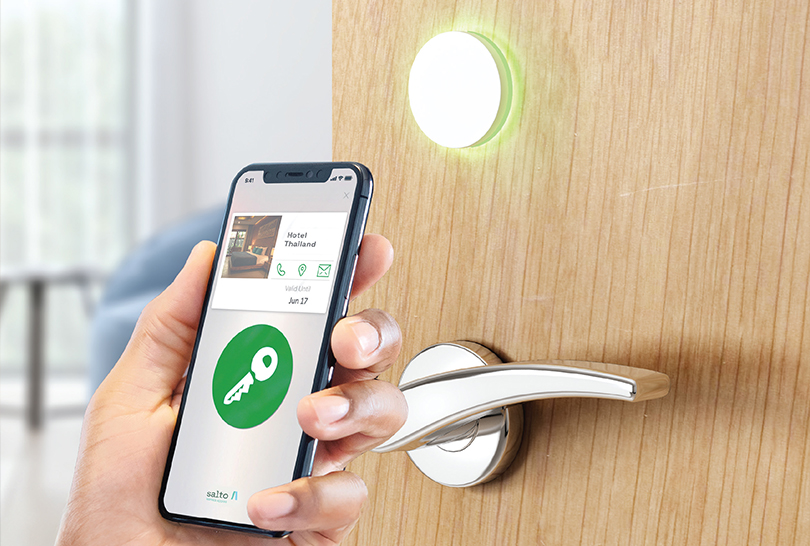
Mobile access systems turn a smartphone into a digital access credential. Users can unlock authorized entry points through a mobile app or digital credential, offering a convenient option for businesses that want to reduce their reliance on physical cards.
Electronic Door Access Control
Electronic door access systems control individual entry points by connecting locks with an access verification system. They can incorporate different authentication methods, including cards, biometrics, and mobile credentials, to secure doors leading to offices, server rooms, storage areas, and other restricted spaces.
Why Businesses in the Philippines Are Upgrading to Access Control Systems
More businesses in the Philippines are turning to access control systems as their facilities, teams, and security requirements become more complex. With employees, visitors, contractors, and restricted areas to manage, digital access solutions provide a more flexible way to organize entry than traditional keys and manual processes.
At HITEC International, we support businesses with access control technologies suited to different workplace and commercial environments.
Stronger Control Over Workplace Access
Businesses need to protect more than just their physical premises. Access control systems allow organizations to restrict sensitive areas and assign entry permissions based on each user's role, helping protect employees, equipment, and confidential information.
Less Reliance on Physical Keys
Managing physical keys can become difficult as a business grows. Lost, duplicated, or unreturned keys may require locks to be replaced, while digital credentials can be updated or deactivated without changing the physical access point.
Different Access for Different Users
Not everyone entering a facility needs the same level of access. Businesses can assign different permissions to employees, visitors, contractors, and other users based on where they need to go and when they need access.
Easier Access Management
Digital systems make access easier to manage as teams and operations change. Security teams can update permissions when employees change roles, join, or leave the organization, reducing the need for manual key distribution and collection.
Connected Security Across Multiple Areas
Larger facilities may need more than one security solution working together. Access control systems can integrate with technologies such as CCTV and visitor management systems, helping businesses coordinate security across different entry points and areas.
How to Choose the Right Access Control System
The right access control system should fit your current security needs without creating unnecessary complexity or limiting future growth. Before choosing a solution or provider, consider how your facility operates, who needs access and how the system will need to adapt over time.
- Define Your Access Requirements: Identify which areas need controlled access, who should be able to enter them and whether different users require different permissions.
- Plan for Future Growth: Choose a system that can accommodate more users, access points, or locations as your business expands, rather than requiring a complete replacement later.
- Check System Compatibility: Consider whether the access control solution can work with existing security technologies such as CCTV or visitor management systems to create a more connected setup.
- Consider Ongoing Support: Look beyond installation and check what maintenance, troubleshooting, and technical support the provider offers after the system is operational.
- Evaluate the Provider's Experience: A reliable system also depends on proper implementation, so consider the provider's experience with similar facilities and ability to support your specific security requirements.
Explore HITEC's Access Control Solutions
The right access control system should do more than secure a door. It should give your business the flexibility to manage people, permissions, and entry points as your security needs evolve. With experience in electronic identification and security solutions since 1997, HITEC International provides access control technologies for a range of business and commercial environments in the Philippines.
HITEC offers solutions spanning RFID, biometrics, intelligent controllers, wireless technologies, and high-security access control, with options that can also work alongside CCTV, visitor management, and other security systems. Whether you need to secure an office, hotel, commercial property, or restricted facility, our team can help you identify a solution suited to your access requirements.
Ready to move beyond traditional keys? Contact our team today and let’s discuss your options for managing access with greater control, flexibility, and visibility.
FAQs
How much does an access control system cost in the Philippines?
Cost depends on several factors, including the type of access method chosen, the number of entry points and users, specific system features, installation requirements, and any integration needs with existing security systems. Contact our team for a detailed cost estimate.
How long does it take to install an access control system?
Installation can take anywhere from a few hours to several weeks, depending on the project. Factors such as facility size, number of access points, system complexity, and existing infrastructure can affect the timeline.
Can access control systems integrate with existing security systems?
Yes. Many modern access control solutions can integrate with other security technologies, such as CCTV and visitor management systems, to create a more connected and comprehensive workplace security environment.