

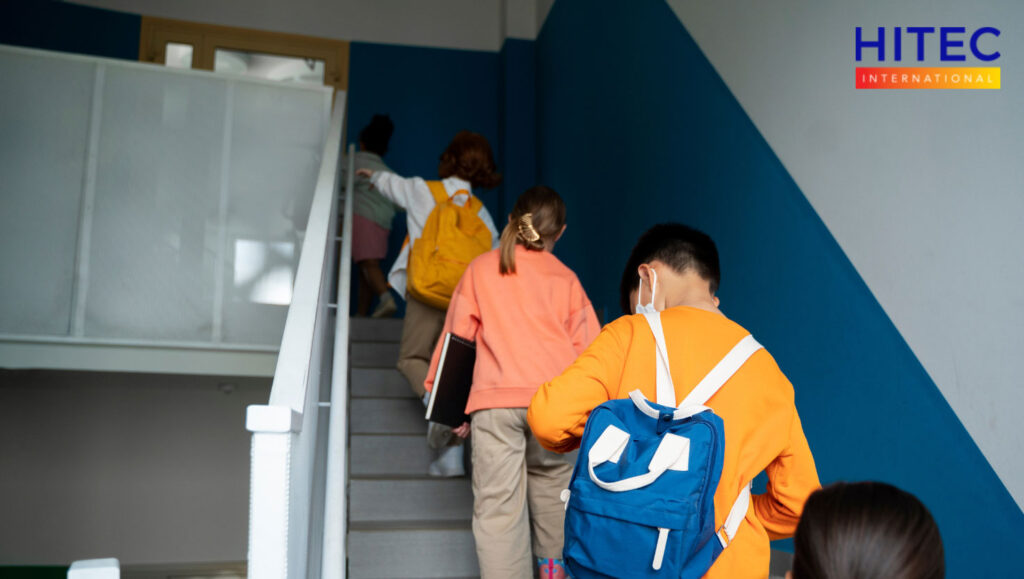
Student and faculty safety is a critical infrastructure requirement for schools in the Philippines. In high-density, open-campus environments, traditional tools like manual logbooks and physical IDs are easily compromised by human error or "buddy punching."
To eliminate these risks, many institutions are shifting to biometric systems. By using unique biological traits for identification, these systems provide a tamper-proof layer of security that traditional methods cannot match, streamlining gate access and ensuring only authorized individuals enter the grounds.
The Importance of Biometric Systems for Schools in the Philippines
Biometric technology has matured into a reliable tool for public and private institutions across the archipelago. By choosing the right system, institutions can replace outdated manual processes with faster, more accurate solutions tailored to their specific needs.
Here is how different biometric modalities benefit school environments:
- Fingerprint Scanners: These provide a highly accurate and cost-effective solution for attendance. Because fingerprints are nearly impossible to replicate, they ensure that records are tamper-proof and reliable.
- Facial Recognition: This contactless technology is perfect for high-traffic school gates. It speeds up entry during the morning rush and improves hygiene by eliminating the need for students to touch shared devices.
- RFID-Based Scanning: Often paired with biometrics, RFID cards offer a convenient way to manage general movement. They provide a secondary layer of security that integrates seamlessly with existing school ID systems.
- Iris Scanning: This offers the highest level of precision for restricted zones. It is the ideal choice for securing sensitive areas like research labs or administrative archives where absolute privacy is required.
Why Schools in the Philippines Are Adopting Biometric Systems
As schools in the Philippines modernize their operations, biometric systems are becoming a practical tool for improving efficiency, accuracy, and campus security. They help streamline daily processes while reducing manual work for staff.
- Stronger Access Control: Only registered students, staff, and approved visitors are granted entry, helping schools better manage who comes in and out of the campus.
- Accurate Attendance Tracking: Automated systems reduce manual errors and provide real-time attendance data for better monitoring and reporting.
- Prevention of ID Misuse: Biometric verification ensures that attendance cannot be faked, removing issues like proxy attendance or ID sharing.
- Improved Emergency Response: Real-time records of who is on campus support faster and more organized response during emergencies.
- More Efficient Daily Operations: By reducing manual tasks like roll calls, teachers can focus more on teaching and less on administrative work.
Key Features to Look for in a School Biometric System
Not all biometric systems are created equal. When evaluating a potential solution, school administrators should look for the following essential features:
- Support for Multiple Biometric Options: Look for systems that offer both fingerprint and facial recognition. This gives you flexibility, especially for different age groups or use cases.
- Real-Time Monitoring and Reporting: A good system should provide live updates and easy-to-read dashboards, so staff can quickly spot and respond to any issues.
- Seamless System Integration: Choose a solution that works well with your existing systems, such as student records, payroll, or access control hardware.
- Strong Data Security and Privacy Protection: Make sure the system uses proper encryption and complies with data privacy regulations to keep sensitive information secure.
- Flexible Deployment Options: Depending on your setup, you may prefer a cloud-based system for remote access or an on-site system for more control.
- Scalability for Future Growth: Select a system that can handle more users over time without slowing down, especially as your student population increases.
Why Partner with HITEC for School Biometric Systems in the Philippines
Choosing the right provider is just as important as choosing the right system. With HITEC International Inc., schools benefit from solutions that are tailored to real academic environments, making implementation smoother and more effective.
By partnering with HITEC, your school can benefit from:
- Stronger, End-to-End Security: Protect students and staff with reliable biometric systems designed to manage access and monitor campus activity effectively.
- User-Friendly System Management: With BioStar2 software, administrators can easily track attendance, monitor activity in real time and generate reports when needed.
- Seamless System Integration: HITEC ensures your biometric system works smoothly with your existing platforms, from school records to payroll and access control systems.
- Reliable Data Protection: Built-in encryption and compliance with local data privacy standards help keep sensitive information secure.
- Scalable for Growing Schools: As your student population grows, the system can expand with you—without the need for a complete overhaul.
- Flexible Deployment Options: Whether you prefer on-site systems or cloud-based management through BioStar Air, HITEC provides solutions that fit your infrastructure.
Secure Your School Today with a Trusted Biometric Solution
The safety of the next generation is a responsibility that requires modern tools. By partnering with HITEC International Inc., your institution can transition from vulnerable manual processes to a high-integrity, automated security environment. From safer access control to pinpoint-accurate attendance, biometrics represent the future of Philippine campus management.
Contact HITEC International today to discover how our biometric systems can enhance the safety and efficiency of your school.
FAQs
- How secure are biometric systems in protecting student and staff data?
Biometric systems do not store actual images of fingerprints or faces. Instead, they convert these traits into a mathematical code or 'template' through a one-way encryption process. Even if the data were intercepted, it could not be reconstructed into an image of the person’s biometric trait.
- Can biometric systems operate effectively without a constant internet connection?
Yes, high-quality biometric terminals are designed with internal memory that allows them to perform local verification and store logs offline. Once the connection is restored, the data automatically synchronises with the central server.
- Can biometric systems be used effectively in both small schools and large campuses?
Absolutely, these systems are inherently scalable. For small schools, a single terminal at the main entrance may suffice. For large universities, a networked system of dozens of terminals across various buildings can be managed from a single central console.
- How do biometric systems prevent proxy attendance and ID misuse?
Biometric systems rely on unique physical traits, such as fingerprints or facial features, that cannot be shared or duplicated. Unlike ID cards or PINs, these identifiers are tied directly to the individual. This means a student cannot “check in” on behalf of someone else, ensuring that attendance records accurately reflect who is physically present.